The importance of Skincare for Healthy Skin
Taking care of your skin is not just about vanity; it’s about maintaining its health and ensuring it functions optimally. Skincare is a crucial part of our daily routines, yet it’s often overlooked or simplified. Many people believe that skincare is only about applying fancy lotions and potions, but in reality, it involves a more holistic approach that includes nutrition, lifestyle 護膚品推薦 , and choosing the right products suited for your skin type. With so much information out there, it’s important to understand why skincare matters and how to create a regimen that’s best for you.
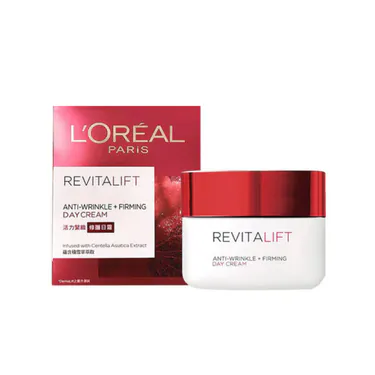
The skin is the body’s largest organ, acting as a barrier that protects against environmental factors like harmful Uv rays, pollution, and bacteria. A consistent skincare routine helps to maintain this protective barrier. Proper skincare can improve the skin’s elasticity, texture, and tone, prevent premature aging, and combat common concerns like acne, dryness, and sensitivity. When the skin is properly nourished and cared for, it looks radiant and youthful, which is why many people prioritize skincare as part of their self-care rituals.
The first step in any skincare routine is identifying your skin type. Skin types vary greatly from person to person, and understanding whether your skin is oily, dry, combination, or sensitive helps in choosing the right products. For instance, someone with oily skin may benefit from gel-based cleansers and oil-free moisturizers, while someone with dry skin may need more hydrating creams and oil-based cleansers. In addition to skin type, factors such as age, lifestyle, and even seasonal changes play a role in your skin’s needs. A skincare routine that adapts to your current skin condition will help you achieve the best results.
Cleansing is a fundamental part of any skincare regimen. Cleansing helps remove dirt, oil, makeup, and other impurities that accumulate on the skin throughout the day. Choosing the right cleanser for your skin type is essential. Harsh cleansers can strip the skin of its natural oils, leading to dryness or irritation, while overly mild cleansers may not remove all impurities effectively. Following up with a toner can help balance the skin’s pH and tighten pores. Hydration is another key aspect of skincare, regardless of your skin type. Moisturizers help lock in moisture and keep the skin soft and smooth. Even if you have oily skin, using a lightweight moisturizer is still necessary to maintain the skin’s moisture balance.
Exfoliation is another important step in skincare, although it should be done in moderation. Regular exfoliation helps remove dead skin cells that can clog pores and lead to acne and dullness. Exfoliators come in various forms, from physical scrubs to chemical exfoliants like alpha hydroxy acids (AHAs) and beta hydroxy acids (BHAs). These exfoliants help reveal fresh skin and promote cell turnover, giving your face a glowing, healthy appearance.
Sun protection is the cornerstone of any skincare routine, as it helps protect against harmful Uv rays that cause premature aging, pigmentation, and even skin cancer. Sunscreen should be worn daily, regardless of the weather, and reapplied throughout the day if you’re spending extended periods outdoors. A broad-spectrum sunscreen with an SPF of at least 30 is recommended for most skin types.
Skincare is not just about applying products; it’s about adopting a healthy lifestyle. Diet, hydration, and sleep all play significant roles in the condition of your skin. A balanced diet rich in antioxidants, vitamins, and minerals supports skin health, while staying hydrated ensures your skin remains plump and glowing. Additionally, adequate sleep allows the skin to repair and regenerate, contributing to a refreshed and youthful appearance.