Comparing Indwelling Catheter vs Intermittent Catheterization Infection Risks: What Patients Should Know
Catheterization is an essential component of urological care, with two main options available: indwelling catheters and intermittent catheterization. Both serve critical roles but differ notably in their infection risks and clinical applications. Understanding these differences can help patients and healthcare providers make informed decisions. Well Lead Medical emphasizes the importance of choosing the right catheter type to reduce complications and improve patient outcomes.
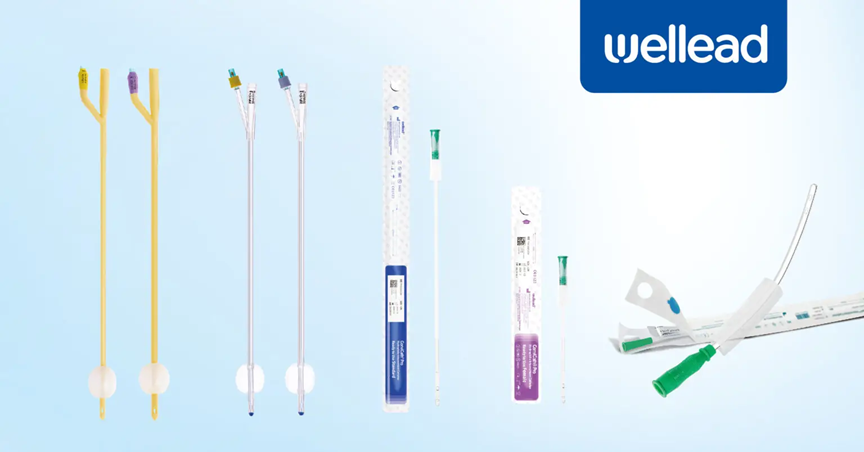
Infection Risks: Indwelling Catheter vs Intermittent Catheterization
Indwelling catheters, often referred to as Foley catheters, remain in the bladder for extended periods to provide continuous urine drainage. Because they are left in place, indwelling catheters present a higher risk of urinary tract infections (UTIs). Bacteria can colonize the catheter surface, leading to biofilm formation and increased infection rates. This risk is especially significant in critically ill patients or those requiring long-term catheterization. In contrast, intermittent catheterization involves the temporary insertion of a sterile catheter multiple times daily, reducing the continuous exposure of the urinary tract to foreign material. Consequently, intermittent urinary catheter users generally experience fewer infections, as each catheter use is a fresh, sterile procedure, decreasing bacterial colonization.
Clinical Considerations and Patient Suitability
The choice between indwelling catheter vs intermittent catheterization infection risk must also consider patient conditions. Indwelling catheters are preferred for patients needing constant bladder drainage, such as those with acute urinary retention or those unable to self-catheterize. However, this method is contraindicated in cases of urethral injury or severe strictures due to the increased infection and trauma risk. Intermittent catheterization is suitable for patients with neurogenic bladder dysfunction or postoperative urinary retention who can either self-catheterize or receive caregiver assistance. This approach limits infection risk by avoiding prolonged catheter presence and allows better bladder health maintenance.
Conclusion
In conclusion, while both catheter types fulfill important medical roles, intermittent catheterization generally offers a lower risk of infection compared to indwelling catheters. Well Lead Medical advocates for personalized catheter management plans that prioritize patient safety, hygiene, and comfort, minimizing infection risks associated with bladder drainage.