Drainage Cleansing Why It Matters and How to Do it right
Drainage cleansing is a crucial aspect of home and property maintenance that is often overlooked until a problem arises. Clogged or dirty drains can lead to unpleasant 渠務工程 , water damage, pest infestations, and even structural issues if not addressed promptly. Whether it’s in the kitchen, bathroom, or outdoor areas, regular drainage cleansing ensures that wastewater flows freely, reducing the risk of blockages and backups. Understanding the importance of keeping drains clean can save homeowners significant time and money in the long run.
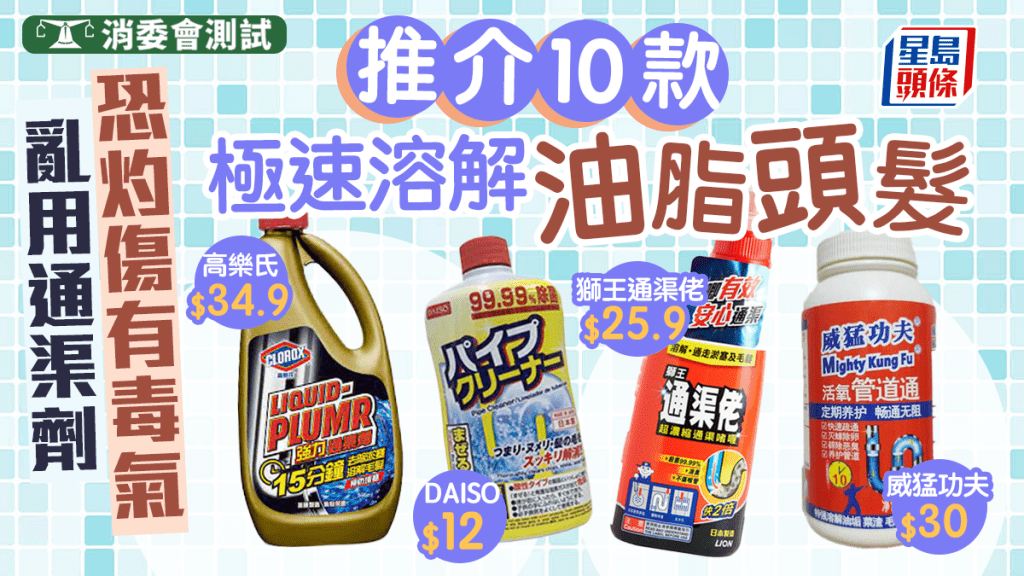
One of the primary reasons for drainage cleansing is to prevent blockages. Over time, debris such as hair, soap scum, grease, food particles, leaves, and other materials can accumulate in pipes and restrict the flow of water. When this buildup becomes severe, it can completely block the drain, leading to flooding or sewage backup. These issues are not only inconvenient but can also cause health hazards due to mold growth or contaminated water. Regular cleansing helps prevent such scenarios and keeps the plumbing system in good working order.
There are several effective methods for drainage cleansing, ranging from simple home remedies to professional services. For minor blockages, homeowners often turn to natural solutions like a mixture of baking soda and vinegar followed by hot water. This eco-friendly method helps dissolve light clogs and reduces odors without damaging the pipes. Plungers and drain snakes are also handy tools for removing obstructions. However, for more stubborn issues or routine maintenance, hiring a professional drainage cleaning service is highly recommended. These professionals use specialized equipment such as hydro jetting and camera inspections to thoroughly clean and diagnose the drainage system.
In addition to preventing clogs, regular drainage cleansing also enhances the longevity of your plumbing. Pipes that are regularly cleaned are less likely to corrode or suffer from internal damage caused by standing water or chemical reactions. This maintenance can extend the life of your plumbing system and reduce the need for expensive repairs or replacements. It also improves the overall efficiency of water flow, which can lead to better performance in appliances and fixtures connected to the drainage system.
Preventative maintenance is key when it comes to drainage cleansing. Rather than waiting for a problem to occur, homeowners should adopt a schedule for routine checks and cleanings. This could mean monthly inspections of frequently used drains or annual professional cleanings for the entire system. Additionally, being mindful of what goes down the drain—such as avoiding pouring grease into the kitchen sink or installing hair catchers in showers—can significantly reduce the frequency and severity of clogs.
In conclusion, drainage cleansing is a fundamental task that supports the health, safety, and efficiency of a home. By taking proactive steps to clean and maintain drains, homeowners can avoid the stress and costs associated with plumbing emergencies. Whether through DIY methods or professional assistance, keeping drainage systems clear should be a regular part of any property maintenance routine. Would you like tips for creating a home drainage maintenance checklist.